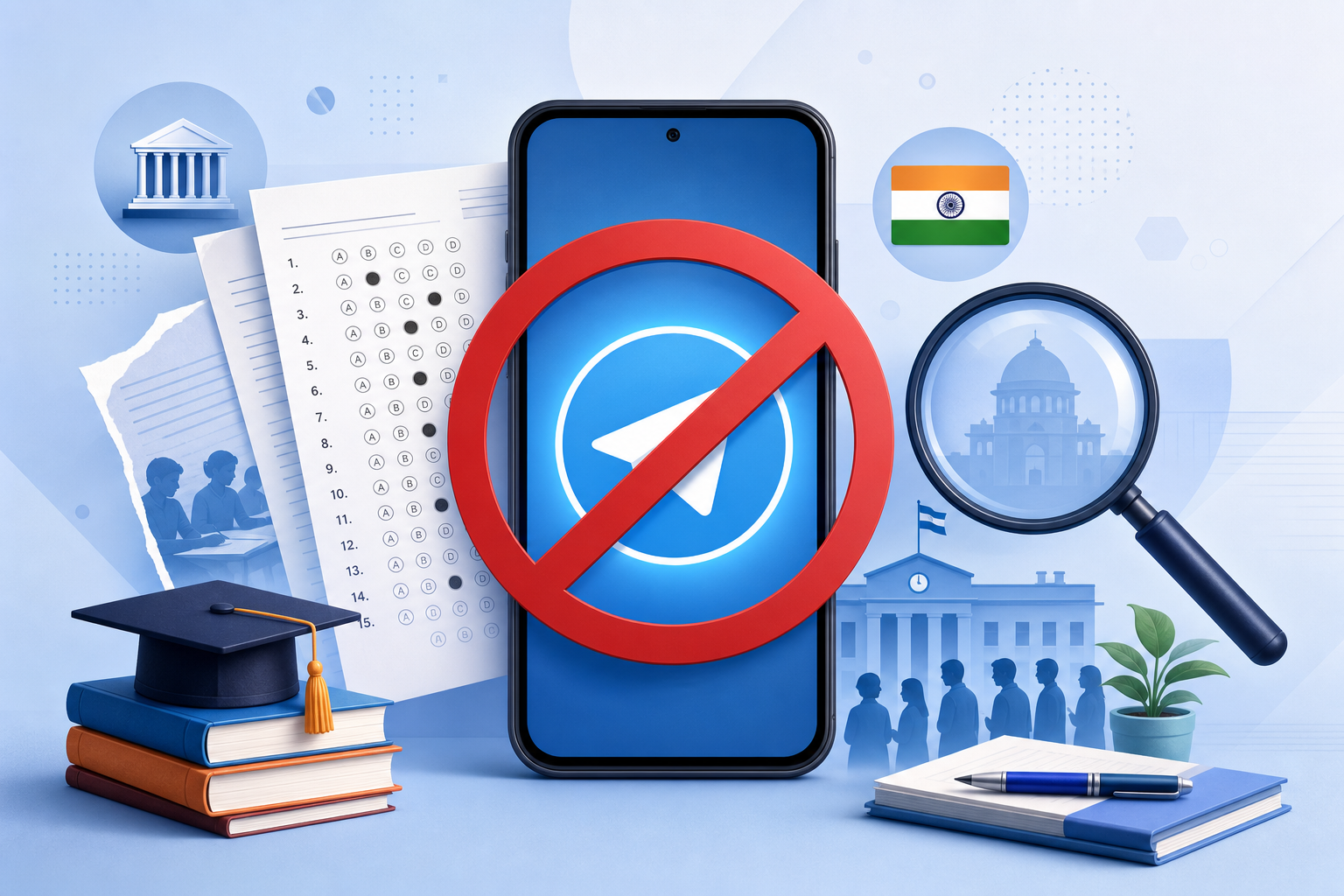
Each time a NEET paper leak makes the news, the conversation follows a predictable script. Question papers circulate hours before the exam, screenshots spread, arrests are announced — and within days, officials and commentators demand the same thing: ban Telegram in India. It feels decisive. It makes a headline. And it solves almost nothing.
Telegram is where the leaked paper is seen, but it is not where the leak is born. A national exam paper does not appear on a chat app by accident. It travels through printing presses, transport vans, storage vaults, and the hands of people trusted to protect it. By the time anyone forwards a PDF, the exam security chain has already broken several links back.
What Actually Happens in a NEET Paper Leak
Investigations into past NEET exam paper leak cases — and similar leaks in other competitive exams — repeatedly point to offline weak spots, not the messaging app used to distribute the file:
- Premature access — papers reaching the wrong people before the exam window opens
- Insider involvement — staff in the printing, transport, or storage chain
- Weak physical custody — unsealed boxes, unmonitored vaults, no tamper logs
- Organised solver gangs — networks that pay for early access and resell answers
- Delayed detection — leaks discovered only after the damage is done
Telegram, WhatsApp, or any future app is simply the last, most visible step. Shut one door and the same paper moves to another — a different app, a private group, a paid PDF dropbox. The leak is a supply-chain problem, and you cannot patch a supply chain by blocking a single channel.
Why “Ban Telegram in India” Is the Wrong Fix
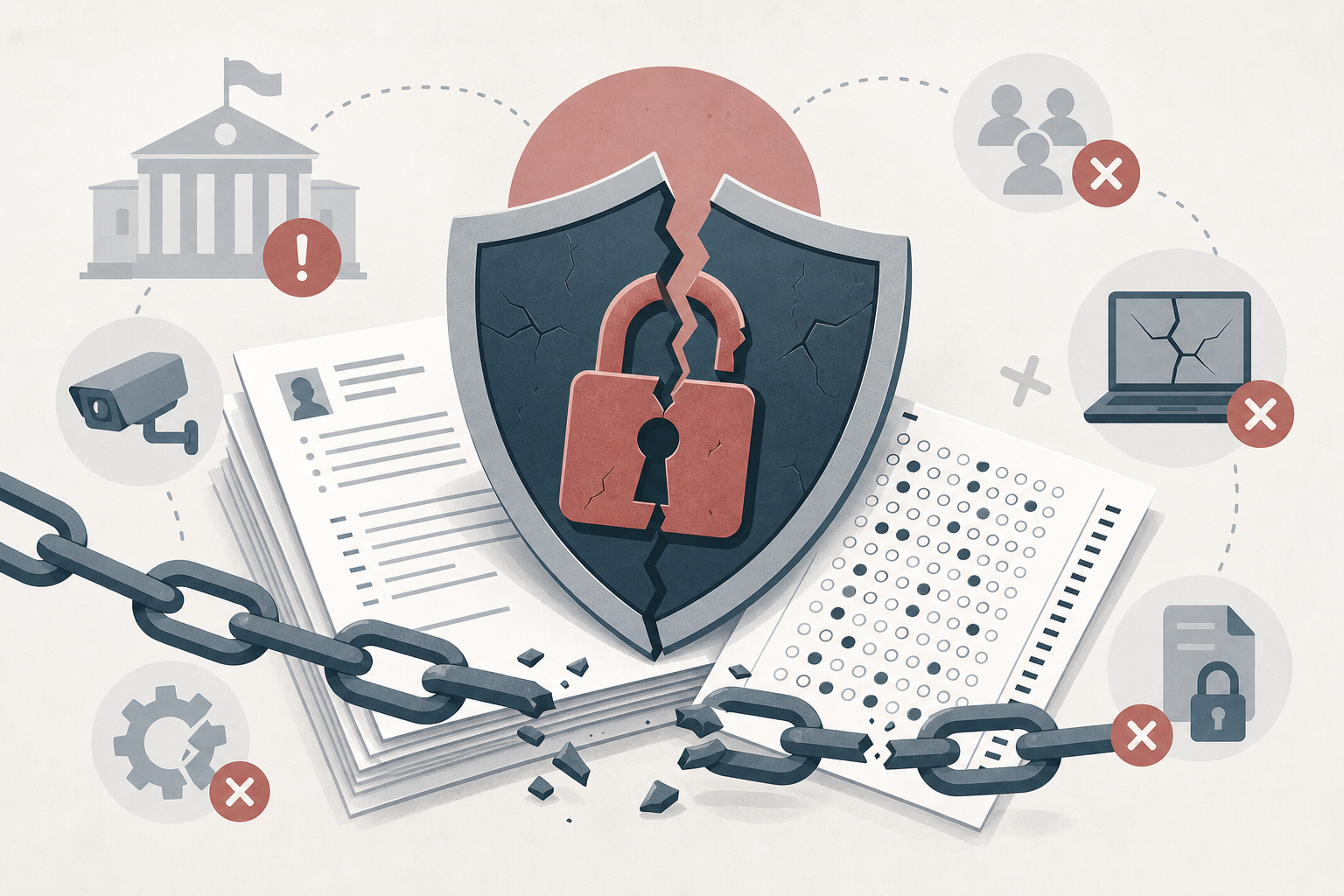
A Telegram ban in India sounds like accountability, but it mostly produces the appearance of action. Here is why it fails as a real solution:
- It treats the symptom, not the cause. The paper was already compromised before it reached any app.
- It punishes millions of honest users. Students, teachers, coaching groups, and study communities lose a tool they rely on daily.
- It is trivially bypassed. VPNs, mirror apps, and alternative platforms make any single-app ban porous within hours.
- It removes evidence. Open channels are often how leaks get detected and traced; pushing them underground makes investigation harder.
- It sets a dangerous precedent. Banning a communication platform over institutional failure shifts blame away from the people responsible.
Telegram Is Also Where Real Learning Happens

Lost in the “ban it” reflex is a simple reality: Telegram is one of the most widely used study tools in India. NEET, JEE, UPSC, and state-exam aspirants rely on it for doubt-solving groups, free notes, lecture PDFs, current-affairs channels, and peer support that many cannot afford from expensive coaching institutes.
Punishing this entire ecosystem for the actions of a few leak networks is collective punishment. It removes a genuine learning and collaboration platform from honest students while doing little to stop determined criminals who will simply move elsewhere.
What Would Actually Fix Exam Security
Real reform is less dramatic than a ban headline, but far more effective. If the goal is to stop the next NEET paper leak, the focus has to move from the app to the system:
- End-to-end tamper tracking — serialised, sealed, GPS-tracked paper logistics with audit trails at every handoff
- Encrypted digital question delivery — papers decrypted only at the centre, minutes before the exam, on monitored devices
- Randomised, regional paper sets — so a single leak cannot compromise a national exam
- Strict accountability for insiders — fast-tracked action against staff in the print-and-transport chain
- Independent security audits — regular, published reviews of the exam custody process
- Faster leak forensics — using digital trails (yes, including chat platforms) to identify culprits, not to punish bystanders
Identify the Culprits, Not the Medium
Millions of people use Telegram for learning, collaboration, and communication. Instead of targeting the medium, India should identify the culprits, strengthen exam security, and ensure accountability. A leak is a failure of trust and process — fix the trust and the process, and the leaks shrink no matter which app exists.
Banning Telegram after a NEET 2026 paper leak would be like blaming the road for a getaway car. The car, the driver, and the people who left the door open are the problem. The road was always going to be there.
The Bottom Line
A Telegram ban in India is an easy headline and a hard mistake. It will not return a single mark to a cheated student, will not jail a single leak organiser who has already moved platforms, and will not repair the broken custody chain that let the paper escape in the first place.
If we are serious about protecting exams, we protect the system: tighten logistics, digitise securely, audit relentlessly, and punish the people actually responsible. That is harder than blocking an app — and it is the only thing that works.